
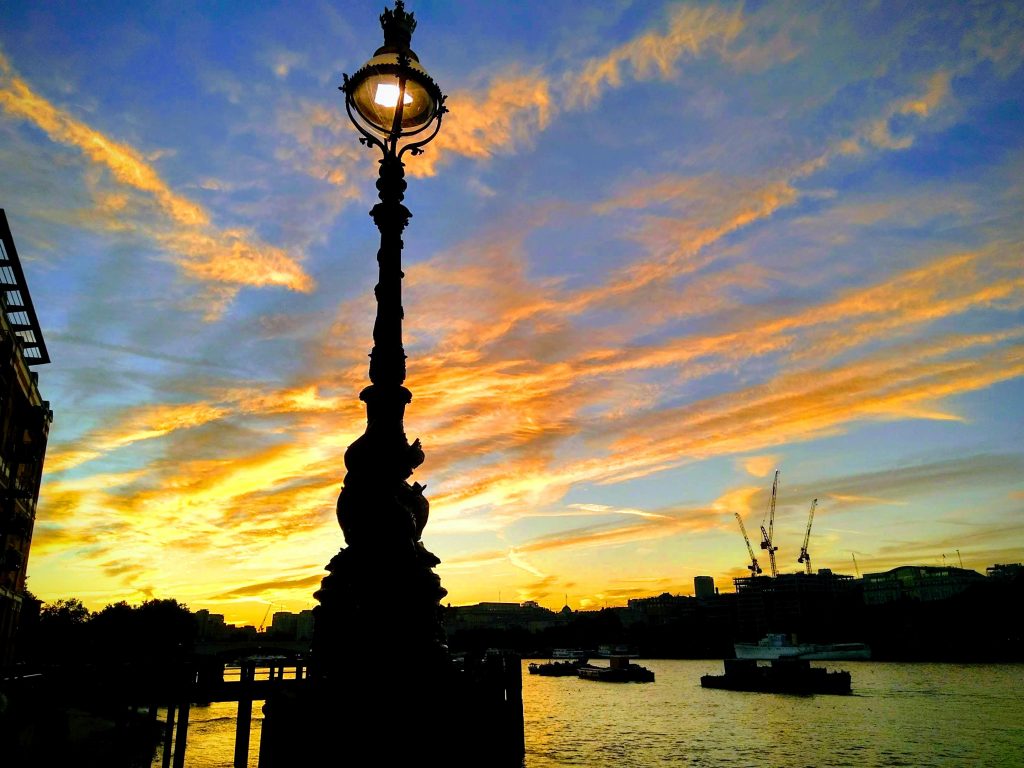
Photograph by Michael Lilley

The knowledge about the sun’s healing rays and power has been known throughout the history of humanity. It goes back even before the times of ancient Egypt, when doctors and natural healers recognised and relied on sunlight to treat wounds, bone diseases and infections. The sun is an effective and efficient germ killer and that is why a safe exposure is recommended to accelerate and aid the wound healing process.

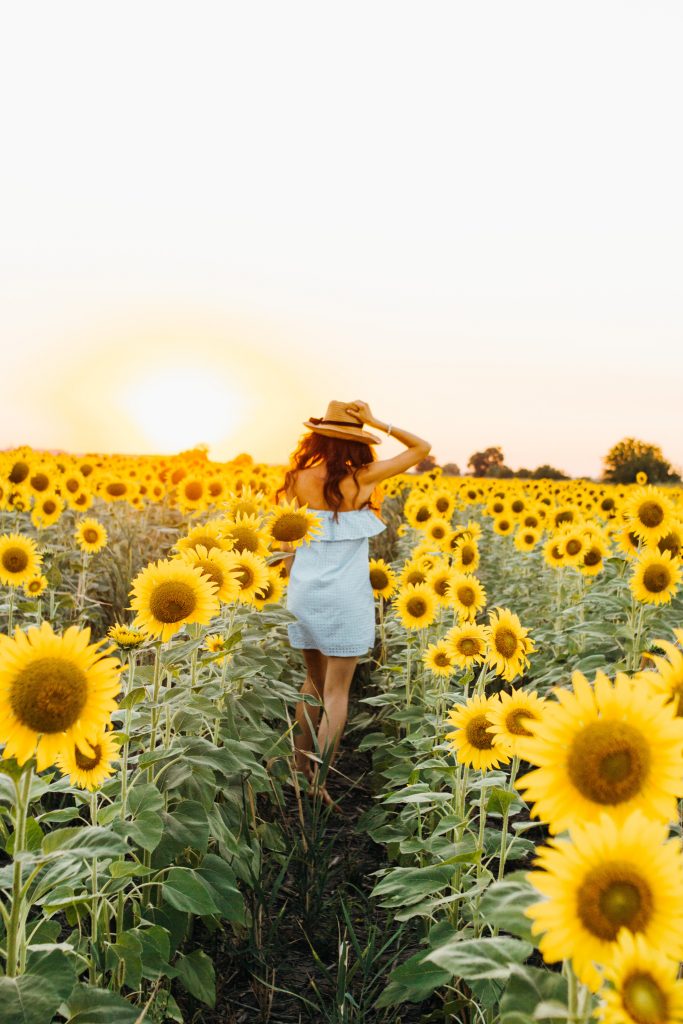
Girl with Sunflowers Photograph From Unsplash

The sun’s effects on our health are plentiful. It is recognised for enhancing moods, relieving stress, improving sleep, and maintaining healthy bones and skin, provided we expose our body to the sun in the right doses at the right time of the day. All the benefits of the exposure of our bodies to the sun have been known throughout the centuries, from generation to generation. Today, we still recognise the same healing powers of the sun while also having quite complex medical explanations as to why and how the sun aids our health.
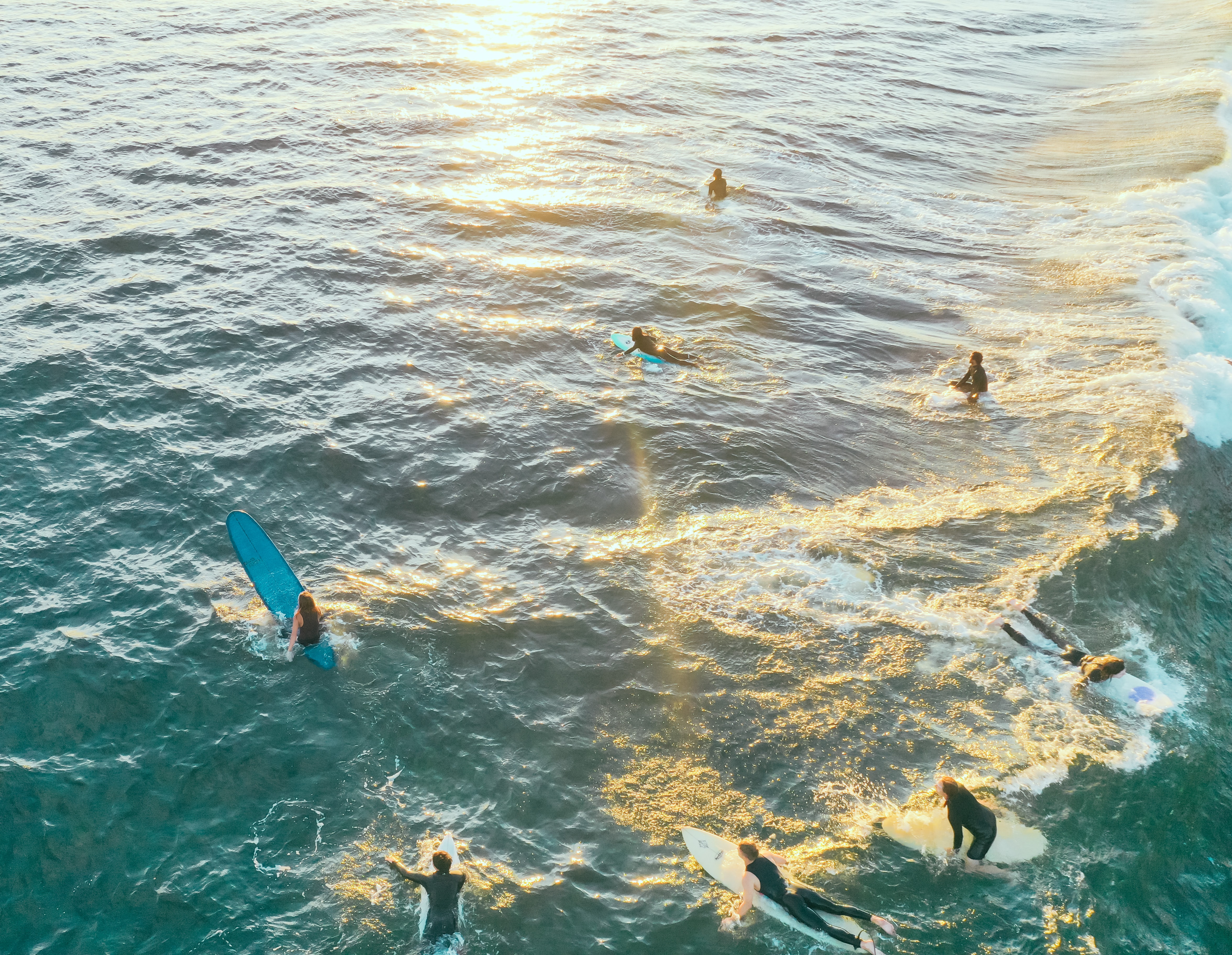
Photograph by Drew Dau

We are born to the world in which the sun is always there. It is important to know how to healthily live with the sun. We know that with the right exposure to the sun we obtain vitamin D, known as ‘sunshine vitamin’. Vitamin D is essential to our health, and the main way to obtain it is through exposure to the sun. Vitamin D helps to absorb calcium that is necessary for healthy bones and teeth. Vitamin D also increases the amount of oxygen that can be distributed by the blood stream around the body, and which in effect will boost the body’s energy levels, sharpen one’s mental faculties and give one an improved feeling of wellbeing. It is through helping to keep serotonin levels up that we do not feel depressed when spending some time in the sun. Sunlight also plays all important part in the fight against heart disease as it lowers cholesterol. Regular exposure to the sun helps for staying slim as it plays a role in optimising metabolism. Safe exposure to the sun can reduce the risk of skin cancer, such as melanoma.
Photograph by Olia Nayda

The main supply of vitamin D we obtain in this climate is through exposure to the sun for 15 to 30 minutes daily from end of March to October between 11am and 2pm. In winter months, we do not get vitamin D from the sun, but we can obtain it through eating foods like mackerel, salmon, sardines or eggs. By doing so, we ensure obtaining the right amount of vitamin D in our bodies throughout the year.

Sunlight is also known to help to build up the immune system as white blood cells increase with sun exposure. These cells play a major role in defending the body against infections. We go to the sun to heal many skin problems too, such as acne, eczema, psoriasis or fungal skin infections.
Photograph by Jenny Marvin

It is known that without sunlight we would just perish; however, we also know that too much sun at the wrong time of the day can cause damage.

Our eyes can get damaged by the sun through long-term lack of protection from the ultraviolet light. It can lead to damaging effects on the retina. UV light is also known as contributor to the development of cataracts.

We can suffer from heat exhaustion which occurs when the body has had an excessive loss of water and salt, usually due to sweating more than usual. Those working in a hot environment are at risk of heat exhaustion. This condition can be recognised when someone shows any of the following symptoms: headache, nausea, dizziness, weakness, irritability, thirst, heavy sweating or an elevated body temperature.

If heat exhaustion is left untreated it can lead to heat stroke. Heat stroke is the most serious heat-related illness and it can be life threatening. Heat stroke requires immediate medical attention and if left untreated it can cause death or permanent disability. Confusion, altered mental states, slurred speech, coma, hot dry skin, excessive sweating or seizures are symptoms of heat stroke.

Another risk from excessive sun exposure is sunburn. When this happens, the maximum symptoms do not appear until four to five hours later after the exposure. Sunburn demonstrates itself as redness, pain, swelling and blisters on the skin, accompanied by nausea, fever, chills or headache. It can be caused by the sun or tanning beds.

Various skin cancers are the worst consequences of long-term excessive exposure to the sun. Because the damage to the skin from exposure to the sun develops over years, the older you are the greater the risk of developing skin cancer. The most common are basal cell carcinoma, squamous cell carcinoma and malignant melanoma. Regular skin check-ups by professionals, like dermatologists or mole clinic practitioners, are recommended to effectively prevent and adequately treat these types of problems.

Other unwelcome side effects from unsafe exposure to the sun are ageing skin and premature wrinkles. Excessive sun exposure is a significant factor in developing signs of ageing like wrinkles, sagging skin and lost of elasticity. Unwise exposure to the sun and a lack of adequate protection can lead to damage of the protein network of collagen and elastin resulting in our skin losing its youthful appearance.

Wise sunbathing, building a tan gradually in a safe way and, the most beneficial, letting skin tan just the right amount at the right times of the day are the necessary measures for which we all need to be educated, accordingly to our own type of beauty and type of complexion. We all need a healthy dose of vitamin D to keep our bodies healthy, and people with different type of skins may require different times of exposure, but we all aim for the same goal, good health. Adequate clothing and natural, organic sunscreen protectors are recommended to shield from excessive sun exposure.

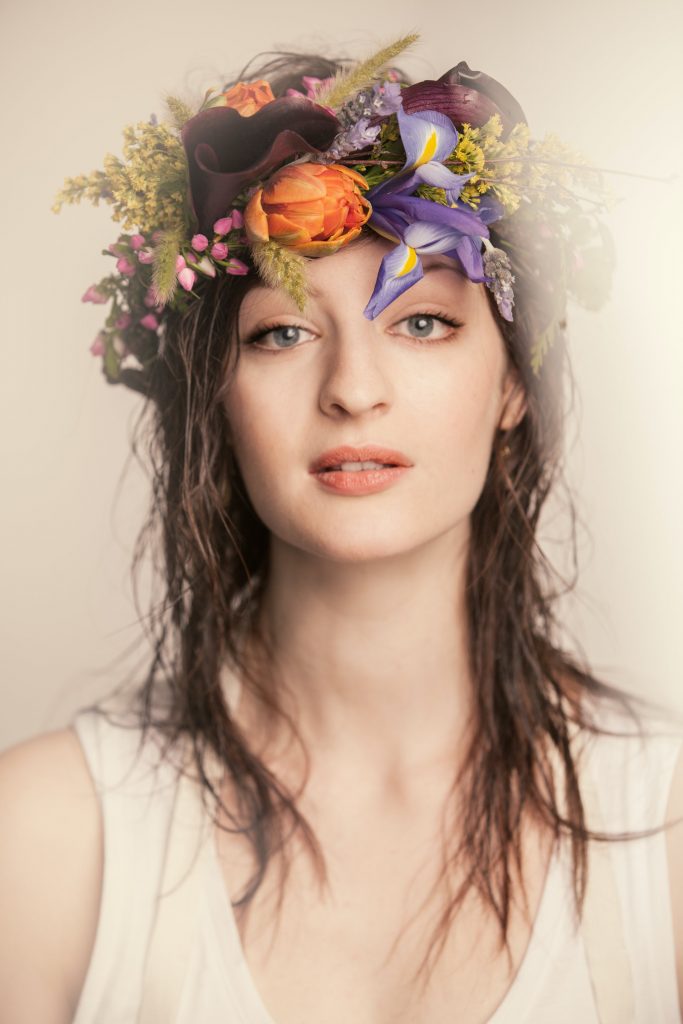
Photograph by Jernej Graj

It is important to educate ourselves as to how to live with the sun without suffering the consequences of excessive exposure or a lack of adequate exposure according to our individual skin types. Then, we will be able to see the sun as a healer that is always there for us, and we can stop talking about sun rays being damaging. If we have the right education, then the sun’s rays are healing rays.

*’Why Sunlight is actually good for’ By Noma Nazis, Forbes Life www.amproject.org

** ‘Healing Power of the Sun’ By Mountain Valley Spring www.mountainvalleyspring.com

*** ’13 Ways the Sun Affects Us: Positive and Harmful’ www.unitypoint.org
Share:
Reading time: 5 min


The consequences of the COVID-19 pandemic are legion. Many people around the world have tragically died, and families and friends are grieving their unexpected departure. Others have fallen ill and are taking a long time to recover. A great number of people fell ill and have recovered. The majority, however, have not been infected, though their lives have been profoundly affected.  We are now all striving towards physical, mental and community wellness, and a return to normality. We are preparing to face the challenges of daily life that sustain our health, however demanding these may be.

In its quest to stay safe, the entire planet has suspended its everyday activities, except those on which lives depend.

As we come to the end of May 2020, the situation in the UK seems to be easing, and we are trying to get over the shock and fear the coronavirus has generated. Most of us have been frightened in one way or another because we have been confronted with an unforeseen catastrophe. Many of us became distressed and helpless, as the rhythm and flow of our daily lives were interrupted. The aim is now health for all. Everyone is doing their best, quietly and with dignity, to heal the wounds.  We care for each other and feel concern for our families, friends, and strangers. This is expressed in different ways by different people.


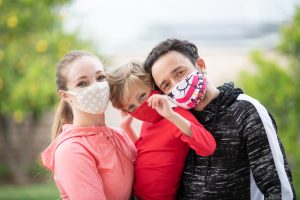
Some pay scrupulous attention to the wearing of face masks because they believe they are protecting themselves and those around them; others do not, because they feel the need and importance to be normal. However we choose to behave, we all want to contribute to wellbeing, and we all are taking chances with our choices. There is no doubt that we are all trying hard to combat the odd and the unnatural.

We, as individuals, listen to our reason, to the experts’ advise, and to our leaders’ advise; we also listen to our common sense, knowledge, and instincts. However, the latter cannot always be acted upon. We try our best under the circumstances. In our striving towards health and wellbeing, we need to be cautious about acting unwittingly. Stopping the whole world at once may have more than just economic consequences. For instance, spraying whole towns with chemicals may prevent the spread of the virus, but may also harm nature in ways unbeknown to us.

Whatever we do to protect ourselves from the spread of the infectious disease, we also need to remember to protect ourselves from becoming abnormal. We need to stay normal. Self – discipline and self – protection are crucial in the fight against COVID-19. Acquiring new hygiene habits is a necessity, and being able to avoid the excesses of those habits at the right time is an art. Human interaction is an everyday and vital commodity for wellbeing, and it must not be damaged by long-term social distancing. We must embrace the reasoning and actions that are required from us to stop the spread of the disease, but we must also remember the need to move towards what is normal, virtuous, and healthy.

Indeed, we need to be considerate towards those who want to be active and creative during lockdown and those who just want to make sure that they get through the day, as Julia Giannini, the Head of Sustainability ITV, pointed out during her interview with Julie Reid, on planetShine’s Talks on Life and Lockdown: “ As a society we go through a communal mourning and a communal shock and it is OK to feel you cannot achieve anything else than: get up, get through the day, go to bed in the evening and still be OK and still be in one piece.” “…There is so much more to take from sitting back and just living in the moment.”(watch the video below)

We need to be respectful of, or at least tolerant towards, each other’s responses to the situation, and to be slow to criticise and judge.

Normal is where health is, and this is the direction to go. Observing ethics helps us to guide us there. This is where our wellness is and this is where and when life carries on; this is where our values are, protecting us and giving us a good quality of life; this is where we can feel happy and content. This is where the good world is. This is where our wellbeing is.

Share:
Reading time: 3 min

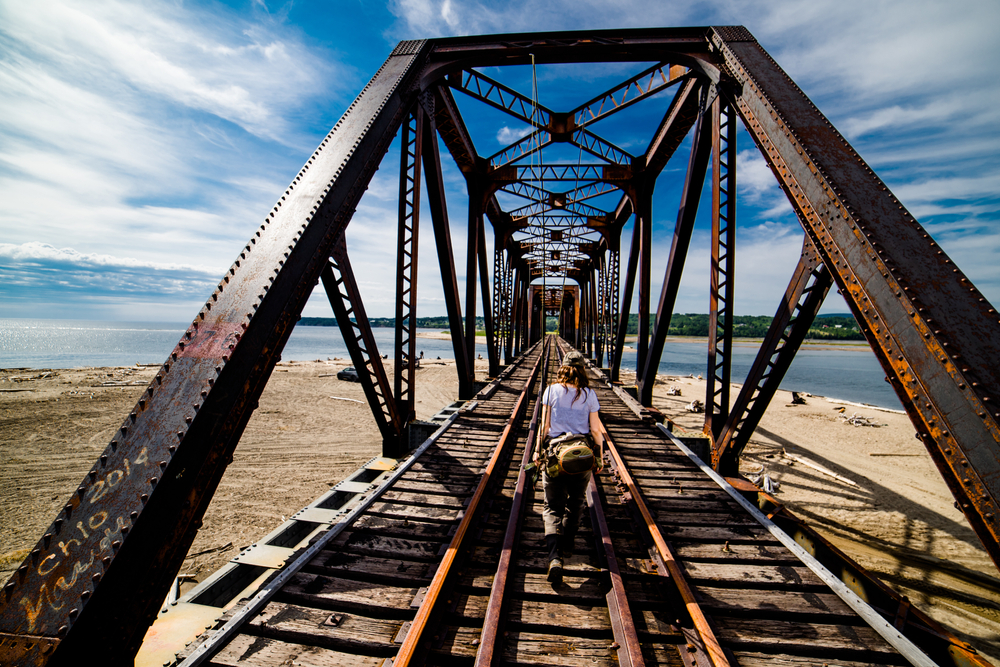
The UK put its population into self-isolation and suspension of activities due to coronavirus on 23rd of March 2020. The unprecedented pandemic situation saw governments around the world taking similar steps to attempt to minimise the spread of the virus. While the majority of people, here in the UK, stayed at home, with the exception of key workers, the majority of shops, restaurants, schools, offices, factories, and airports were shut down. Now, after almost seven weeks, some businesses are slowly reopening, while others remain shut. But could this break in continuity in doing our jobs and/or using vital equipment on a daily basis pose the danger of rusty returns syndrome? Seven weeks is not a long time, one might argue. However, there are many activities or disciplines that require agility and alertness; and our being out of practice does them no good. There are drivers not driving cars on motorways; pilots not flying aeroplanes; workers not using complex machinery in factories; surgeons not performing complicated surgeries. Not doing these activities over too long a time can make the people who usually do them a little rusty on their return.

All around the globe, activities conducted on a daily basis suddenly stopped. Rows of aeroplanes have been parked away, no longer in use. British Airways fleet comprises 311* aeroplanes, but 96% of all passenger flights are currently not operating. In their factories, businesses have suspended the operation of great swathes of machinery, as Jaguar Land Rover did in March 2020**.

And a great number of private cars around the country have been parked and are not being driven. What happens to all of them while they are not being used? They get rusty and impaired.

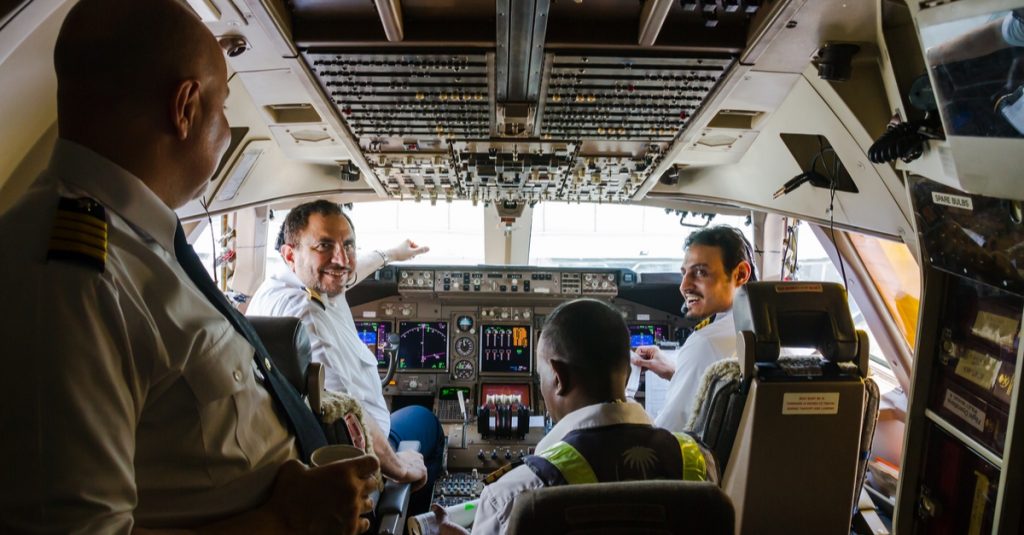
As well as machines not being used, many skills that require to be exercised daily are becoming impaired and out of practice too. Aircraft pilots who used to fly every day have not flown for the last seven weeks. The mechanics, engineers and technicians who maintain their planes on a daily basis, have not seen an aeroplane’s engine for a while. Air traffic controllers have not seen an aeroplane for a similar length of time; while the same air-traffic controllers who guide the same planes to safety are no longer in a position having to maintain the same levels of alertness on a daily basis while in lockdown. The drivers of those undriven cars have not been on motorways for some time either. Surgeons who once performed complicated and detailed surgery are no longer exercising the concentration of mind and steady hands that are vital elements of their medical skills.  And children, for whom seven weeks is a very long time, are out of practice in terms of the daily collective discipline of the classroom, so important in the process of education; and they are no longer exercising the same levels of alertness and intensive concentration required for regular reading, writing and mathematics. The list of possibly impaired skills as a result of prolonging the self-isolation period is endless.

There are also rusty syndromes on the emotional level, especially those involving being separated from elderly members of the family or those with specific health conditions. Seeing these people in person is an important part of our lives. Not seeing them, worrying about them and not being able to do anything about it causes pain and feeling of helplessness. Our deepest feelings are being forcibly quashed.

The consequences of suspending aspects of lives are enormous. As the saying goes: “Use it or lose it”. However protective the practice of isolation due to coronavirus pandemic is, the very suspension of activities leads to consequences that will make returning to them that much more difficult and, in some cases, possibly much less safe. It is best to avoid getting rusty.

*www.britishairways.com/Fleet facts

** https://www.bmmagazine.co.uk

Share:
Reading time: 3 min


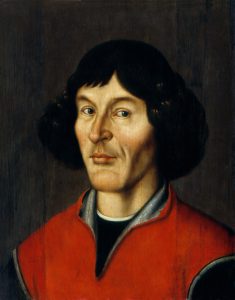
Nicolaus Copernicus

Our mental attitudes and the perception of the world have been changing throughout history. Initially, human attention was directed to the sky. People looked up to the sky to estimate the time and to tell which way to go when travelling. Astronomers and astrologers looked to the sky not only to tell time and direction, but also to observe the world and life. People had a geocentric perception of the world which placed the Earth and human beings at the centre of the Universe.

When the clock was invented, along with roads, road signs and maps, the human mind was freed from paying attention to the sky during the course of an ordinary day. Today many of us have hardly any of the detailed knowledge about the sky that was so necessary in the past.

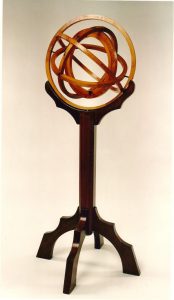
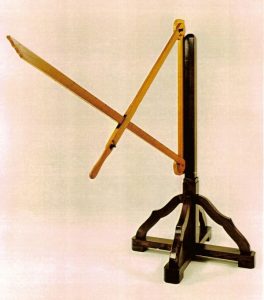
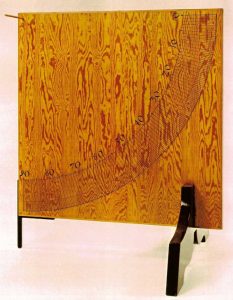
By the fifteenth century, humanity was ready for a higher truth, and the Polish astronomer Nicolaus Copernicus managed to establish this truth about the structure of the world. Significantly, he managed to do so with the use of a very few simple instruments and only his naked eye. His inspiration, natural ability to observe and education as well as the help of a few clever pieces of equipment allowed him to observe the real structure of the world.


Astrolobium

Triquetrum – instrument for Astrometry ( reconstruction)

Kwadrant (reconstruction)


Nicolaus Copernicus’s magnum opus was De revolutionibus orbium coelestium (“The Revolutions of the Heavenly Bodies”)and it  was a success. Despite the difficulties with censorship at the time, it was published in 1543 in an edition of 500 copies, and it made publicly available the heliocentric model of the universe as the real structure of the world.

This presented new challenges for the human mind, which had to change from knowing and visualising the Earth as the centre of the universe to being able to acknowledge and visualise that the Earth spins around the Sun. Today this seems quite obvious to us, but at the time it must have been a disturbing and difficult thing to do.

As a natural philosopher, Nicolaus Copernicus successfully accomplished great things in his beloved field of astronomy, leaving us a new awareness of the universe. His accomplishment was built on solid ground.

He expresses this in his writings:

“What is however more beautiful over the sky, over the gatherings of all the beauties to which words like ‘coelum’ and ‘mundus’ itself point out, of which one means purity and the ornament and the other the ingenious canopy of heavens, by many philosophers for its extraordinariness ‘a visible divinity’ have been named.

If we want to value natural philosophies according to the value of the subject of interest, the first place will go to what some call astronomy, others astrology, and many of the ancients have called the peak of mathematical science. This, standing in the first place of liberated natural philosophies, is worthy of a noble thinking man.”

“It is a godly, rather than a manly ability.”

“From among many numerous and various natural sciences and arts that enrich the human mind, according to my opinion, those above all deserve commitment and devotion with one’s whole strength that follow the most beautiful and worthy matters. Such are the natural sciences, whose subjects are the wonderful revolutions of the world, the motions of the planets, their sizes and distances, their sunrises and their sunsets and the reasons of all other phenomena observed on the sky that explain the whole structure of the world.”

“Isn’t it the most beautiful and most lofty praise, worthy of the most poetic verses – this great natural science?”

“The destiny, the purpose of all of the pretty sciences is to draw human thought away from error and towards the good. Astronomy, along with its inexpressible attraction for the mind, more successfully than any other science can achieve that purpose.”

“For which of the investigators will the sight of those things, so splendidly arranged by God’s providence and with careful thinking over of them and getting used to them, not enkindle virtue and end with admiration for the Creator of the Universe, in which everything good and all happiness is contained?”

Nicolaus Copernicus knew what ‘reality’ meant, was courageous and very cautious in what he did, and was guided throughout his career by his inspiration, maturity and the truth about life. Of those who presented their theories before him on unjustified foundations Copernicus wrote:

“They also have not observed, nor have they concluded from their assumptions the main and, yes, the most important subject of what the real structure of the world is and the certain order of the arrangements of its parts.

From that point of view, one could compare them to one who, out of various paintings, taking hands, head and other parts of the body – beautifully painted admittedly – but not belonging to one body, and joined and put them together. These parts not suiting each other by any means and not by any measure, they would thus present us with more of a monster than a human form.

So then, in the way of argument that they describe as a method, we see them either leaving out what is necessary or accepting what is foreign to the subject and does not belong to it. And exactly this would not have happened, if they had kept to the same unchanged laws. Because if the laws they used were not mistaken, everything that comes about by keeping to them would turn out to be the truth without fail.”

Nicolaus Copernicus was known as an astronomer, mathematician, lawyer, physician, writer, translator and economist. His work Modus cudendi monetae (“The Way to Strike Coin”), written and published in 1519, observed a monetary law which states: ‘Bad money tends to push out good money from circulation’. He also explained the meaning of ‘nominal value’. Today this law is known as Gresham’s law or as the Gresham–Copernicus law.

“A coin loses its value particularly due to its great increase in numbers. That is, when such a great quantity of silver is turned into coin that people chase more after the mass of the silver than they need the coin and when it is seen in the melting of the coin a greater gain.

The value of the coin drops for various reasons: either because of the lack of the material itself, when… there is more than there should be… of copper, or because of the lack of the appropriate weight, despite the fair share of copper, or in the end for both of these reasons.”

When the value of the coin circulating at the time dropped and trade become difficult, Copernicus wrote: ‘But which one of the foreign traders would like to exchange their goods for a copper coin? Which one of ours would finally get goods in exchange for such coinage?’

The great astronomer was a highly educated man with many talents, and after closer acquaintance with his work, many of us might be affected in different aspects of life in various ways. For me, as Copernicus also said that in astronomy the sky sometimes needs to be observed throughout the generations before one can arrive at knowledge and conclusions, I cannot resist comparing the observation of the life and the world through the observation of the sky to that of a  present way of studying the world and human life by observing genes and genetic codes. In light of Copernicus’s opinions quoted above, it puzzles me how quickly the genetic knowledge about our bodies’ fundamental structures has progressed in our lifetime, and how the practice of genetic modification through genetic engineering and editing has appeared after a relatively short time. It takes years of observing the sky to spot the patterns of astronomical phenomena, and I wonder how many phenomena essential to our life on the genetic level,which are also subjects to the sky and time, are being missed or disturbed by the great hurry of genetic scientists.


Bibliography:

Hartleb Kazimierz “Mikołaj Kopernik” Nakładem Uniwersytetu Mikołaja Kopernika, Toruń  1948

Rybka Eugeniusz,Rybka Przemysław”Mikołaj Kopernik i Jego Nauka” Warszawa 1953

Share:
Reading time: 7 min
Page 6 of 8« First...5678